For Latin American (LATAM) brands eyeing expansion, the U.S. market represents a land of opportunity and challenges. Understanding and adapting to this new landscape is crucial for success. This post delves into effective strategies that LATAM brands can employ to make a successful foray into the U.S. market.
Understanding the U.S. Market
The U.S. market is diverse and competitive, with consumer behaviors and preferences that may differ significantly from those in LATAM countries. Brands must comprehend these nuances to tailor their approach. Key aspects include cultural diversity, language, marketing channels, and consumer trends.
To succeed, LATAM brands should focus on culturally adapting their marketing content, ensuring language relevance, and understanding local consumer behaviors. Digital marketing, particularly social media and online advertising, plays a crucial role in this context. Additionally, developing a unique selling proposition (USP) that distinguishes the brand in the crowded U.S. market is essential.
LATAM Success Stories
Many LATAM brands have successfully entered the U.S. market. For instance, Bimbo, the Mexican bakery giant, has effectively adapted its products and marketing strategies to appeal to U.S. consumers, focusing on local tastes while retaining its brand essence. Such success stories offer valuable lessons in cultural adaptation and marketing strategies.
At Awesome Design Lab, we specialize in guiding LATAM brands through their U.S. market entry. Our team, with deep understanding of both LATAM and U.S. cultures, can help in crafting strategies that resonate with U.S. audiences while maintaining the brand's authentic identity. From market analysis to campaign execution, we offer comprehensive support.
Entering the U.S. market is a bold step for any LATAM brand. However, with the right strategies and guidance, it is an attainable and potentially lucrative endeavor. As globalization continues to bridge markets, the opportunity for LATAM brands in the U.S. is significant. Awesome Design Lab is here to turn those opportunities into successes.
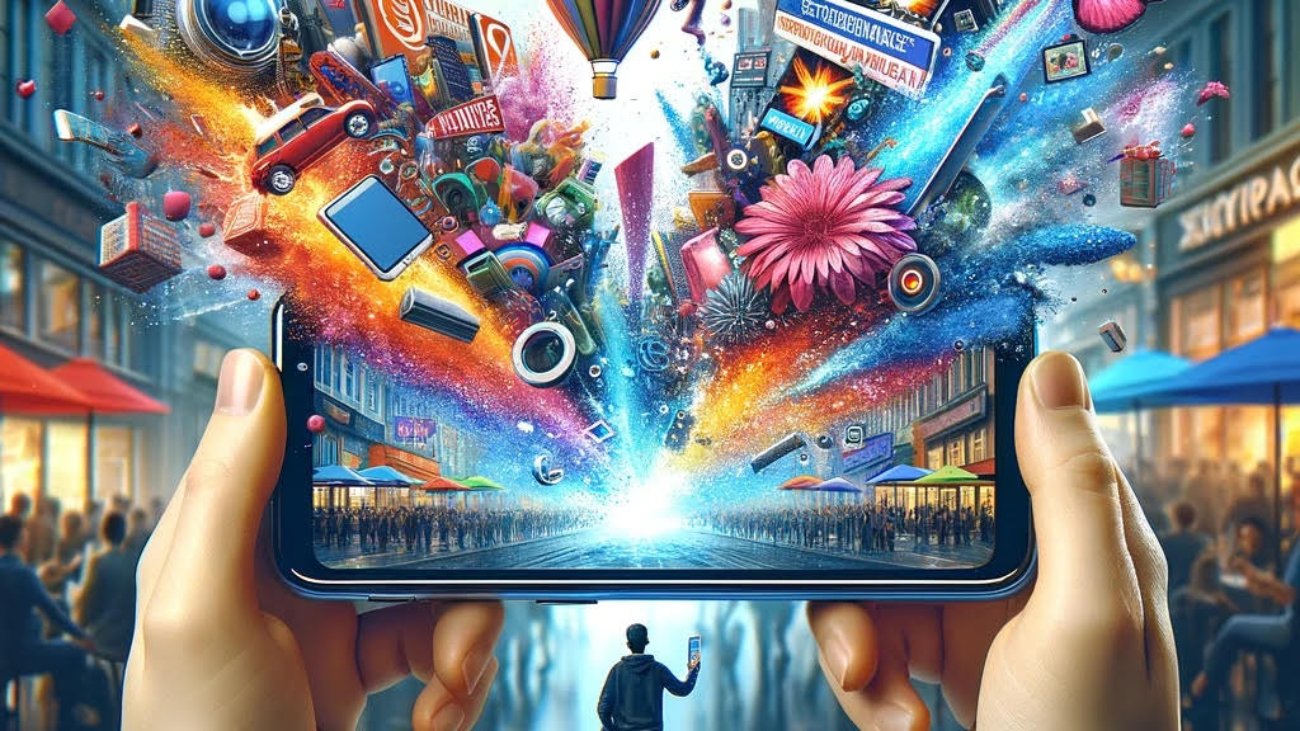
The marketing landscape is evolving rapidly, and at the forefront of this transformation is Augmented Reality (AR). As a cutting-edge technology, AR is not just a fad but a fundamental shift in how brands engage with consumers. This blog post explores the role of AR in marketing and how it's changing the game for businesses and customers alike.
What is Augmented Reality?
Augmented Reality is a technology that overlays digital information onto the real world. Unlike Virtual Reality (VR), which creates a wholly artificial environment, AR enhances the real world with digital details, offering interactive and immersive experiences. From Snapchat filters to IKEA's furniture app, AR is becoming increasingly prevalent in our daily lives.
AR offers numerous benefits in marketing. It can transform how customers interact with products, enabling them to try before they buy or engage with a brand in a completely new way. AR experiences are not only immersive but also highly shareable, making them perfect for social media. This leads to increased brand awareness and potentially higher sales.
Real-World Applications of AR in Marketing
Many brands are already leveraging AR to great effect. For instance, L’Oréal allows customers to try on makeup virtually, while Pepsi’s AR bus shelter campaign in London surprised commuters with seemingly alien invasions and tiger chases. These examples show how AR can create unforgettable experiences that deeply engage customers.
At Awesome Design Lab, we help businesses harness the power of AR to create unique customer experiences. Whether it’s through an interactive advertising campaign or an immersive product demonstration, we tailor AR solutions to fit your brand’s needs, ensuring your customers are not just spectators but active participants in your brand story.
Augmented Reality is reshaping the future of marketing. It offers a new dimension of customer engagement, blending the physical and digital worlds. For brands looking to stay ahead in the digital age, embracing AR is not just an option; it's a necessity. Join us at Awesome Design Lab in this exciting journey to explore the potential of AR in your marketing strategy.
In the competitive landscape of modern business, connecting with customers on an emotional level has become more than just a strategy – it’s essential. Emotional branding is about building relationships and creating brand loyalty that lasts. This blog post explores the power of emotional branding and how it can transform customer interactions into meaningful relationships.
Understanding Emotional Branding
Emotional branding refers to the practice of building brands that appeal directly to a customer’s emotional state, needs, and aspirations. This strategy seeks to create a bond between the consumer and the product by tapping into their emotions. Brands like Apple, Nike, and Coca-Cola have excelled in this arena, creating powerful emotional connections with their customers.
The key to successful emotional branding lies in storytelling and creating a consistent brand experience. A compelling brand story can evoke strong emotions, leading to a deeper connection with the audience. Consistency across all touchpoints, from product design to customer service, ensures that the emotional experience is genuine and lasting.
Understanding Emotional Branding
Consider the success story of a brand like Dove with its Real Beauty campaign. By addressing real-life issues and promoting self-confidence, Dove created a strong emotional connection with its audience, significantly boosting brand loyalty and engagement.
Start by understanding your audience’s emotional drivers. Develop a brand narrative that aligns with these emotions and ensure that it is reflected in every aspect of your business. At Awesome Design Lab, we specialize in uncovering the emotional core of your brand and crafting strategies that resonate on a deeper level with your audience.
Emotional branding is a powerful approach to creating lasting relationships with your customers. It goes beyond transactions and fosters loyalty and advocacy. As you consider your branding strategy, think about how you can connect emotionally with your customers to not just capture their attention, but also their hearts.